Fashion fatigue is setting in, and many women are no longer willing to chase every microtrend that appears online. After years of rapid style shifts, low-cost hauls and barely worn garments, shoppers are reassessing what they buy, how often they buy it and what happens when clothing leaves their wardrobes.
Why disposable fashion is losing its appeal
The fast fashion model was built on constant novelty. New collections arrive weekly, social media accelerates demand, and shoppers are encouraged to refresh their looks before garments have even had a proper life. For many women, that cycle now feels exhausting rather than exciting.
Cost-of-living pressure has also changed the conversation. Cheap clothing can look like a bargain at the checkout, but poor durability often makes it expensive over time. A dress worn once, stretched knitwear, or trousers that lose shape after a few washes offer little real value.
As a result, more shoppers are asking better questions. Will this piece last? Can I wear it in several ways? Does it work with what I already own? Those questions are pushing wardrobes away from impulse buying and toward considered choices.
The rise of trend fatigue
Trend cycles used to move with seasons. Now they can change in days. Platforms such as TikTok and Instagram can turn a colour, silhouette or accessory into a must-have almost instantly. Just as quickly, the same item can be dismissed as outdated.
This pace creates pressure, especially for women who are often targeted by fashion advertising. It can make personal style feel like a performance. Instead of dressing for comfort, identity or function, shoppers may feel pushed to keep up with a feed that never stops refreshing.
Trend fatigue is the predictable result. When every week brings a new aesthetic, the idea of keeping pace becomes unrealistic. Many women are responding by stepping back and building wardrobes that reflect their lives, not an algorithm.
Sustainability is now a mainstream fashion concern
Environmental concerns are also reshaping buying habits. Clothing waste is a serious issue in Australia and around the world. Large volumes of textiles are sent to landfill each year, while charity shops and resale platforms cannot absorb every unwanted garment.
Australia has frequently been identified as one of the highest consumers of clothing per person. Reports have estimated that Australians buy dozens of new garments each year, with many low-cost items discarded quickly. This pattern places pressure on landfill, water resources and manufacturing supply chains.
Fast fashion also depends on intensive production. Synthetic fabrics can shed microfibres, while cotton and other fibres may require substantial water, land and chemical inputs. Transport, packaging and returns add further impact. The true cost of a garment is rarely shown on its price tag.
Women are redefining value
Value no longer means the cheapest possible item. Increasingly, it means longevity, versatility and wearability. A higher-quality shirt worn for years can be better value than five cheaper versions that shrink, fade or tear.
This shift is encouraging interest in slow fashion. Slow fashion does not require a perfect wardrobe or luxury budget. It is about buying less, choosing better and caring for items already owned. For many women, that approach feels more practical than constantly replacing clothes.
Wardrobe cost-per-wear is becoming a useful guide. If a blazer works for the office, dinners and travel, it delivers more value than a trend piece worn once. The same applies to denim, knitwear, outerwear and shoes. Useful clothing earns its place.
Second-hand fashion is moving into the mainstream
Pre-loved fashion has become a major part of the shift away from disposable clothing. Op shops, consignment stores, online marketplaces and clothing swaps offer alternatives to buying new. They also allow women to experiment without supporting constant production.
Resale has another advantage. Older garments often reveal their quality quickly. If a jacket has already lasted ten years and still looks strong, it may outlive a brand-new ultra-cheap version. Vintage and second-hand shopping can also make wardrobes more distinctive.
However, resale is not a cure-all. Buying second-hand in large volumes can still create clutter and waste. The most sustainable item is often the one already hanging in the wardrobe. Conscious consumption matters, even when the purchase is pre-loved.
Repair, tailoring and care are back in focus
One of the clearest signs of changing fashion habits is the renewed interest in garment care. Alterations, mending and shoe repairs are becoming valuable skills and services again. A hem adjustment or replaced button can return an item to regular use.
Simple habits also extend clothing life. Washing less often, using cold water, air drying and storing garments properly can protect fabric and shape. Knitwear lasts longer when folded. Shoes last longer when cleaned and resoled. Small actions reduce the need to rebuy.
For women balancing busy schedules, clothing care may sound like another task. Yet it often saves time in the long run. A dependable wardrobe means fewer rushed purchases, fewer disappointing outfits and fewer pieces that fail after minimum wear.
The capsule wardrobe idea keeps evolving
Capsule wardrobes remain popular because they answer a common problem. Many people own too many clothes but still feel they have nothing to wear. A smaller, more cohesive wardrobe can simplify mornings and reduce decision fatigue.
Modern capsule dressing is less rigid than earlier versions. It does not have to mean neutral colours only, or a fixed number of items. It can include bold pieces, prints and personal favourites. The key is coordination. Clothes should work together across different settings.
For women rejecting disposable fashion, this approach is empowering. It shifts attention from what is trending to what is useful. Personal style becomes clearer when it is not buried under constant new purchases.
Brands are under pressure to prove responsibility
Changing consumer expectations are also placing pressure on fashion brands. Shoppers want clearer information about materials, labour standards, durability and end-of-life options. Vague sustainability claims are no longer enough for informed buyers.
In Australia, the broader industry has been moving toward product stewardship and circular fashion discussions. These efforts aim to reduce textile waste, improve design choices and encourage reuse, repair and recycling. Progress remains uneven, but the direction is important.
Consumers still carry responsibility, but brands shape the options available. Better design, transparent supply chains and durable garments can make sustainable fashion accessible to more people. When businesses produce clothes intended to last, shoppers gain stronger choices.
How to move away from throwaway fashion
A more sustainable wardrobe does not require a dramatic overhaul. The first step is often a pause. Before buying anything new, shoppers can check whether they already own something similar, whether the item fills a real gap and whether it can be styled multiple ways.
Another useful strategy is the waiting period. Delaying a purchase by 24 hours or a week can separate genuine need from impulse. If the desire fades, the item probably was not essential. If it remains useful, the purchase is more likely to be worn.
Shopping with a list can also help. Instead of browsing for entertainment, women can identify missing pieces and search intentionally. This reduces duplicate buying and makes it easier to invest in quality where it counts.
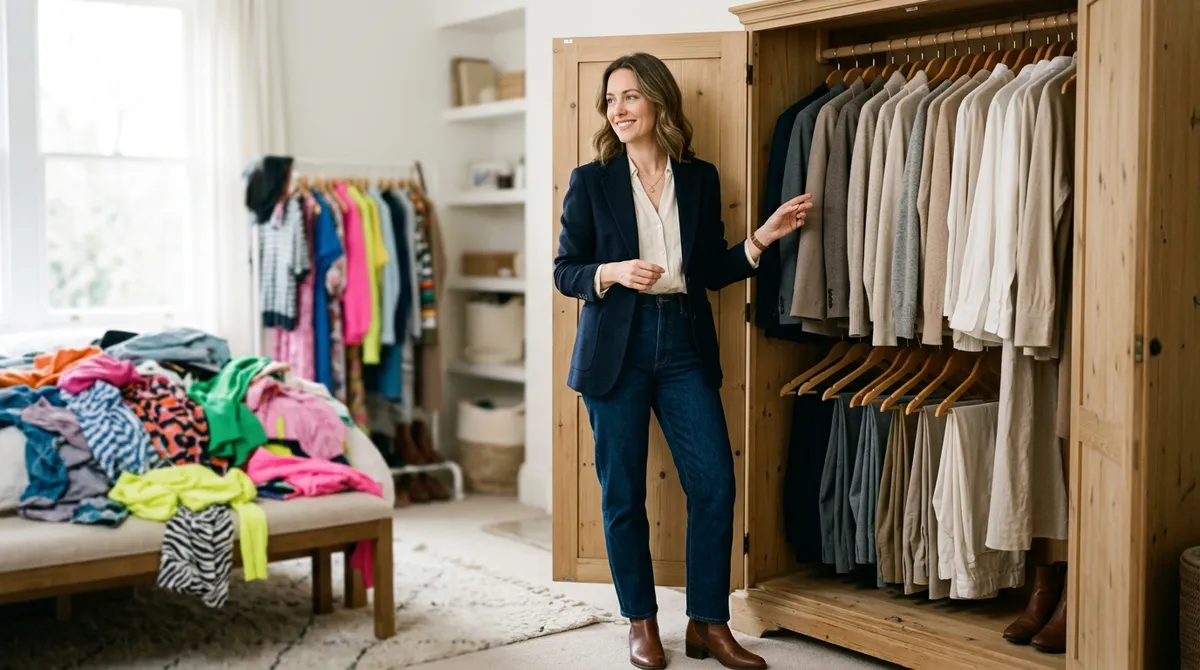
Finally, wardrobe audits can reveal hidden value. Many people rediscover forgotten garments once they reorganise their clothes. Styling sessions, tailoring and small repairs can create the feeling of newness without adding more items to the cycle.
Personal style is outlasting the trend machine
The move away from disposable fashion is not about rejecting style. It is about reclaiming it. Women are proving that looking good does not require endless consumption, overflowing wardrobes or constant obedience to trend cycles.
More considered fashion can be creative, affordable and practical. It can include second-hand finds, treasured basics, repaired favourites and carefully chosen new pieces. Most importantly, it gives clothing a longer life and gives shoppers more control.
As trend fatigue grows, the future of fashion may be less about what is new and more about what endures. That shift is better for wardrobes, budgets and the planet.