TL;DR: President Trump recently called Nicki Minaj 'hot' during a White House luncheon, highlighting their alliance in a changing political landscape. This relationship showcases the fusion of celebrity culture and politics, which is worth exploring further.
The Unexpected Connection
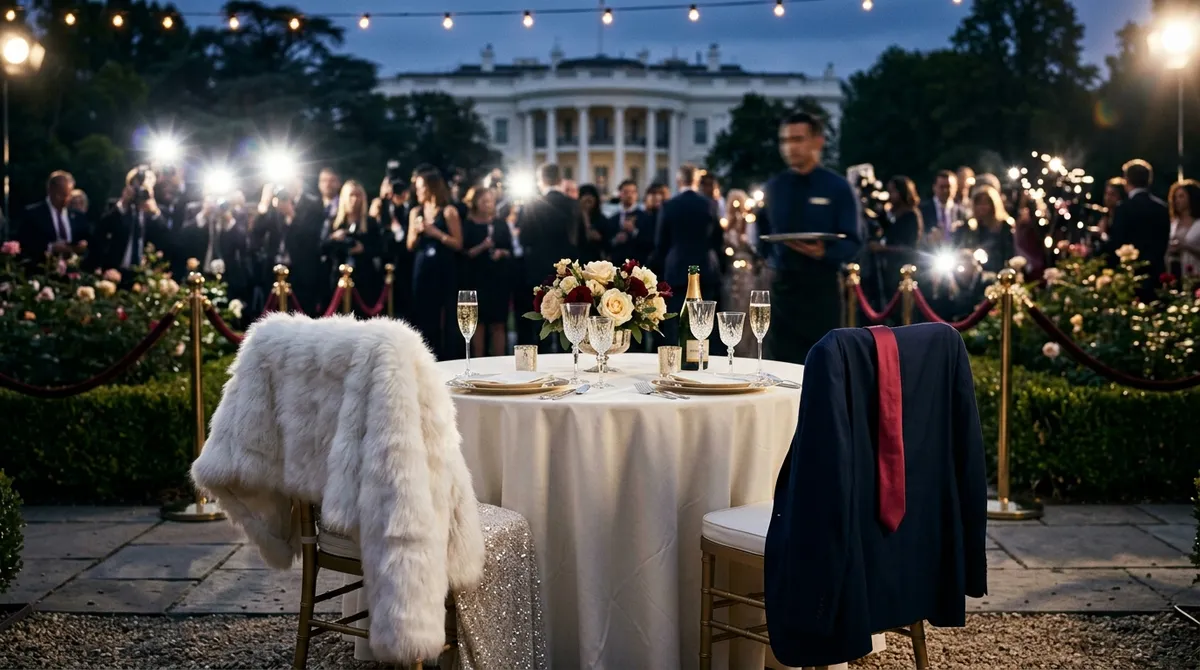
In a moment that surprised many, President Donald Trump publicly praised rapper Nicki Minaj during a Rose Garden luncheon at the White House, calling her 'hot' and acknowledging her business acumen. This unexpected pairing of pop culture and politics is much more than a fleeting moment; it marks a significant intertwining of celebrity voices in political discourse. Nicki Minaj, known for her bold style and unfiltered opinions, responded positively on social media, further cementing her support for the President.
A New Era of Celebrity-Politician Relationships
The relationship between celebrities and politicians is not a new phenomenon, but it has evolved dramatically in recent years. Celebrities wield immense influence over public opinion, and their endorsements can shift political narratives. In this case, Minaj’s alliance with Trump could reshape how fans perceive both the rapper and the President. It raises questions about authenticity, alignment, and the sometimes performative nature of these relationships.
Why Does This Matter?
As we approach the 2026 elections, the stakes of celebrity-politician friendships amplify. Minaj, with her massive social media following, represents a powerful tool for political messaging. Her support for Trump may resonate well with a demographic that feels disenfranchised or align with the cultural dialogues around celebrity impact in politics.
The 'White House Barbie' Aesthetic
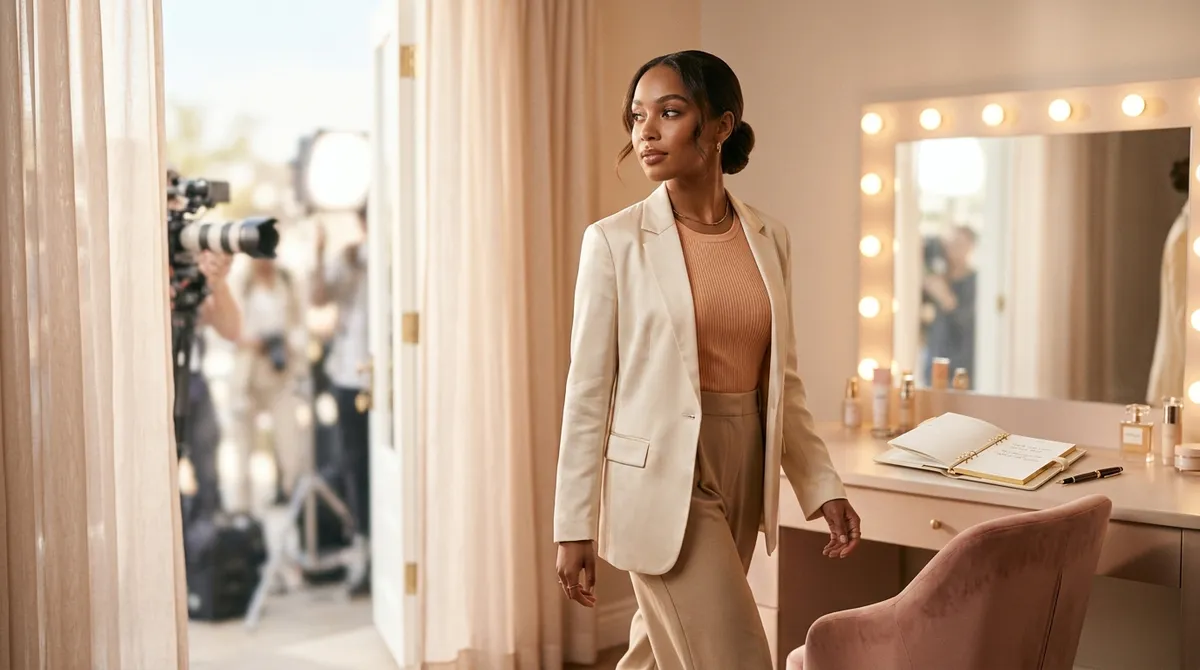
During the luncheon, not only did Trump praise Minaj’s talent but the visuals of the event also captured attention. The combination of high fashion, political power, and celebrity was not lost on viewers. Minaj’s style and presence contributed to a unique blend of what some call the 'White House Barbie' aesthetic, showcasing how fashion and politics can intertwine in captivating ways.
Access and Influence
Minaj’s appearance at the White House is a prime example of how fashion can signal access and influence. As celebrities navigate political events, they can shape public perception through their choice of attire and demeanor. The fusion of high fashion and political engagement also raises the stakes for authenticity versus brand. For Minaj’s fans, this could be a mix of admiration and criticism, depending on their own political views.
Social Media: The Double-Edged Sword
In today’s digital age, social media plays a pivotal role in amplifying these narratives. Minaj took to her platforms to share moments from the luncheon, proudly displaying her allegiance. This real-time engagement fosters a more intimate connection with fans but also invites polarizing opinions. The online discourse surrounding her support for Trump is indicative of how celebrity endorsements can spark significant dialogue among communities.
Navigating Controversy
As with any impactful celebrity endorsement, Minaj's backing of Trump is not without controversy. Her alignment with a polarizing figure raises questions about her responsibility to her fanbase. Many fans may feel conflicted, while others may embrace her for her boldness. This shows the complexity of parasocial relationships—where fans feel they know a celebrity on a personal level—as they navigate changing cultural landscapes.
Conclusion: The Future of Celebrity-Political Alliances
The intertwining paths of celebrities like Nicki Minaj and politicians like Donald Trump symbolize a growing trend in how public figures engage with politics. Whether this relationship is seen as beneficial or detrimental to their respective brands creates an evolving dialogue that shapes our cultural landscape. As we progress toward future elections, watching how these dynamics unfold could offer insights into the effectiveness of celebrity in political messaging. In the meantime, it’s clear that the marriage of fashion, fame, and politics is here to stay.
Engagement with these themes will continue to captivate audiences, encouraging open conversations about the roles public figures play in shaping cultural conversations.