The hospitality industry is undergoing a dynamic transformation, driven by the rapid integration of technology and evolving consumer preferences. With the rise of digital tourism and smart hotel solutions, businesses are reimagining how they connect with guests. As this sector continues to innovate, understanding the key trends and implementing strategic changes can significantly enhance guest experiences and operational efficiency.
Embracing Technology for Enhanced Guest Experiences
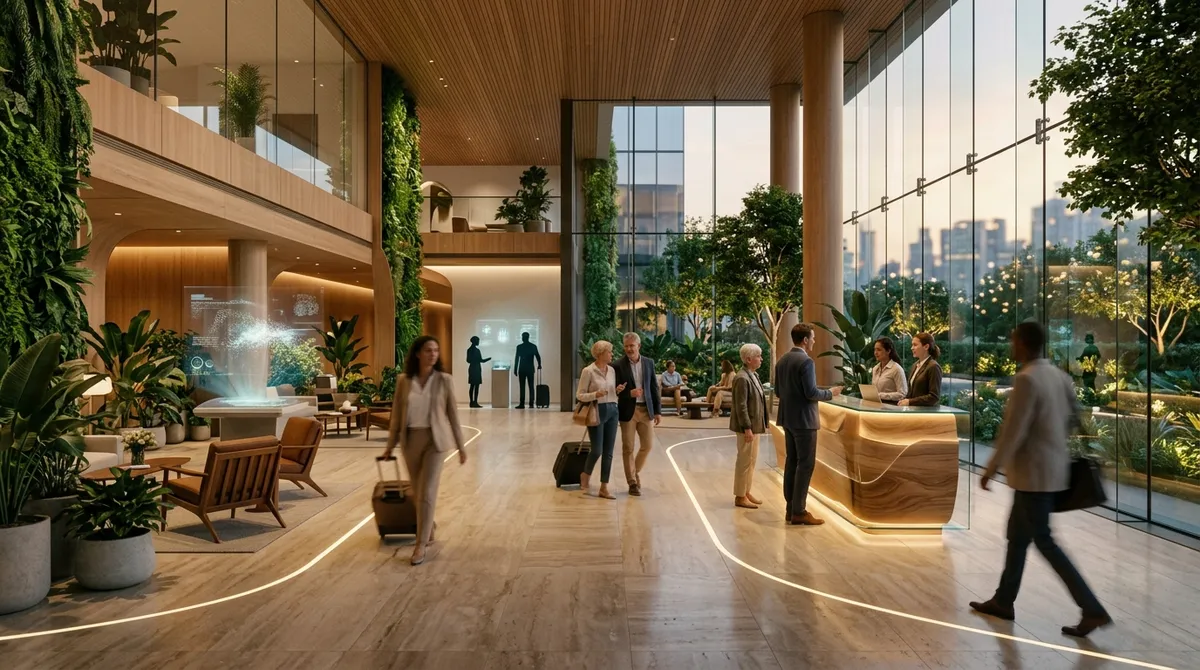
In today's digital age, the hospitality industry is leveraging technology to offer personalized guest experiences. Hotels are increasingly adopting smart room technology, allowing guests to control lighting, temperature, and entertainment through mobile apps. This seamless integration not only enhances comfort but also aligns with modern travelers' expectations for convenience and customization.
Moreover, artificial intelligence is playing a pivotal role in streamlining operations. AI-powered chatbots and virtual assistants offer 24/7 customer support, handling inquiries and bookings with ease. This shift not only improves service efficiency but also frees up staff to focus on delivering personalized guest interactions.
Sustainability as a Core Business Strategy
Sustainability is no longer just a buzzword; it's a fundamental component of the hospitality industry. Hotels are implementing eco-friendly practices to reduce their carbon footprint and appeal to environmentally conscious travelers. From energy-efficient lighting to waste reduction initiatives, these efforts are reshaping the industry's approach to sustainability.
One notable trend is the rise of eco-friendly certifications, which signal a commitment to sustainable practices. By adopting green certifications, hotels are able to attract a growing segment of travelers who prioritize environmental responsibility in their travel choices.
Redefining Luxury with Unique Experiences
The definition of luxury in hospitality is evolving. Modern travelers are seeking unique and immersive experiences rather than traditional opulence. As a result, hotels are curating bespoke experiences that reflect local culture and offer authentic interactions. From culinary tours to cultural workshops, these offerings provide guests with meaningful connections and unforgettable memories.
Customization is at the heart of this trend, with hotels offering personalized itineraries and exclusive experiences tailored to individual preferences. This focus on bespoke luxury is redefining how hotels attract and retain high-end clientele.
Leveraging Data for Strategic Insights
Data analytics has become a powerful tool for the hospitality industry, enabling businesses to gain valuable insights into consumer behavior and preferences. By analyzing booking patterns and guest feedback, hotels can make informed decisions to enhance services and tailor marketing strategies.
Predictive analytics is also emerging as a game-changer, allowing hotels to anticipate market trends and optimize pricing strategies. This data-driven approach not only improves operational efficiency but also enhances the overall guest experience by anticipating and meeting customer needs proactively.
Conclusion: Navigating the Future of Hospitality
The hospitality industry is at a crossroads, where technological advancements and changing consumer expectations are driving transformation. By embracing technology, prioritizing sustainability, redefining luxury, and leveraging data, hotels can navigate this evolving landscape successfully. As the industry continues to evolve, staying ahead of these trends will be crucial for businesses aiming to enhance guest satisfaction and achieve long-term success.