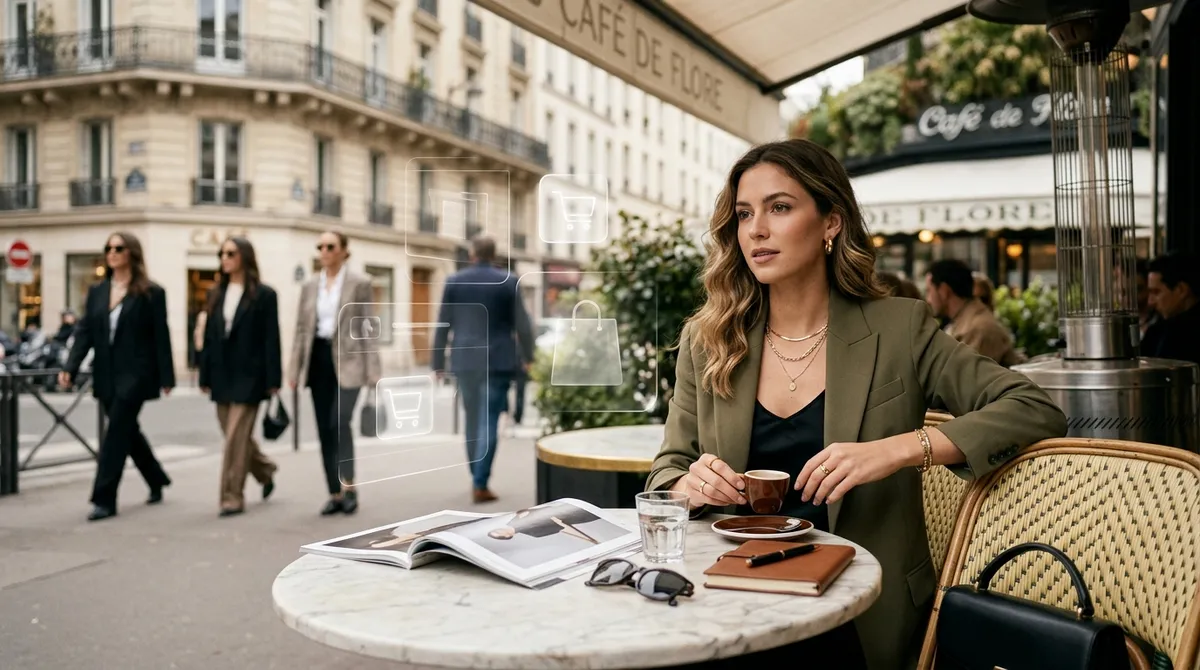
Style Not Com reflects a growing shift in digital fashion: shoppers want inspiration, guidance, and product discovery in one seamless experience. Instead of treating online style as a simple catalog, the platform points toward a more curated way to explore clothing, outfits, and trends through a modern digital lens.
A New Approach to Online Fashion Discovery
Fashion discovery has changed quickly. Consumers no longer depend only on seasonal lookbooks, store windows, or traditional magazines. They browse social platforms, save outfit ideas, compare products, and expect style recommendations that feel relevant. Style Not Com fits into this environment by presenting fashion as an interactive digital experience rather than a static shopping page.
The concept speaks to a broader demand for smarter online style tools. Many shoppers know what aesthetic they like, but they still need help translating that taste into actual outfits. A digital platform that organizes inspiration, highlights products, and simplifies decision-making can reduce the friction that often comes with online shopping.
This matters because fashion e-commerce can feel overwhelming. Endless product grids make it difficult to choose. Trends move fast, and shoppers often struggle to separate passing hype from pieces that suit their wardrobe. Style-focused platforms are gaining attention because they help users move from browsing to confident buying decisions.
Why Curation Matters in Modern Style Platforms
The rise of Style Not Com shows how important curation has become. Shoppers do not only want access to more items. They want better filters, clearer ideas, and stronger context. A well-designed fashion platform can act like a digital stylist by connecting clothing, aesthetics, and lifestyle needs.
Curation also gives products more meaning. A jacket on its own may look ordinary in a standard listing. When it appears within a complete outfit idea, a trend story, or a styling suggestion, shoppers can imagine how it fits into daily life. That context helps convert casual interest into action.
For fashion brands, this shift is significant. The most effective digital spaces no longer rely only on inventory size. They create an experience. They help users understand how to wear items, why certain silhouettes are relevant, and how different pieces work together. Style Not Com aligns with this new expectation by placing discovery and inspiration at the center.
Blending Inspiration With Shopping Intent
One of the strongest trends in fashion technology is the merging of content and commerce. Shoppers often discover style ideas before they search for a specific product. They may see an outfit mood, a color palette, or a celebrity-inspired look, then start looking for similar pieces. Platforms like Style Not Com support this behavior by making inspiration more actionable.
This approach benefits both users and retailers. Shoppers get a smoother path from idea to purchase. Brands gain more opportunities to reach consumers when interest is fresh. Instead of interrupting the user experience, commerce becomes part of the discovery journey.
The best digital fashion experiences feel natural. They do not force a hard sell too early. They allow users to explore, compare, and refine their preferences. When shopping tools are integrated thoughtfully, they can feel helpful rather than intrusive.
Personalization Is Becoming the Standard
Modern consumers expect digital fashion platforms to understand their preferences. Generic recommendations are no longer enough. People want suggestions that reflect their taste, budget, body confidence, lifestyle, and style goals. This is where personalized fashion discovery becomes powerful.
Style Not Com points to a future where platforms do more than display trending products. They can help users navigate aesthetics, identify wardrobe gaps, and discover styles they may not have found alone. Personalization can also support repeat engagement, because users return when a platform consistently feels useful.
However, personalization must feel balanced. Shoppers still want freedom to explore. A strong fashion platform should guide without limiting. It should introduce relevant ideas while leaving room for surprise, experimentation, and self-expression.
The Role of Visual Culture
Fashion is deeply visual, and digital style platforms must reflect that. Images, layouts, and mood-driven presentation shape the way shoppers understand a brand or product. Style Not Com fits into a culture where users respond to visual storytelling, quick discovery, and highly shareable fashion ideas.
Visual organization is especially important for younger consumers. Many are used to image-first platforms where style identity is built through saved looks, creator content, and aesthetic references. A fashion destination that feels visually sharp can hold attention longer than a basic product feed.
Design also influences trust. Clean navigation, thoughtful imagery, and clear product context make a platform feel more premium. When users feel that a digital space understands style, they are more likely to rely on it for discovery.
How Style Not Com Reflects AI and Fashion Tech Trends
The wider fashion industry is experimenting with artificial intelligence, styling algorithms, virtual recommendations, and smarter search tools. These technologies aim to make shopping more intuitive. Instead of typing exact product names, users increasingly expect platforms to understand style cues, outfit references, and visual preferences.
Style Not Com belongs in this larger movement toward more intelligent digital fashion experiences. Whether through curated edits, trend-led navigation, or recommendation features, the goal is similar: help shoppers find pieces that match their personal style faster.
Fashion technology is not only about speed. It is also about relevance. A good recommendation can help a user feel seen. A poor one feels like noise. The platforms that win loyalty will be those that combine data with taste, context, and strong editorial direction.
What This Means for Fashion Brands
For brands, the rise of curated fashion platforms creates new opportunities. It encourages labels to think beyond product listings and focus on storytelling. Items need strong visuals, clear styling possibilities, and enough context to stand out in a crowded market.
Brands can also learn from the way consumers interact with discovery platforms. Saved items, repeated searches, popular outfit themes, and engagement patterns reveal what shoppers want. These insights can influence merchandising, campaign planning, and product development.
At the same time, brands must protect authenticity. Consumers can spot forced trends quickly. Digital fashion experiences work best when they feel useful, aspirational, and honest. A platform that helps people refine their taste can build stronger trust than one that simply pushes products.
Why Shoppers Are Looking for Smarter Style Guidance
Many consumers want to dress better, but they do not always want to spend hours researching. They may need outfit ideas for work, travel, events, or everyday wear. They may want to refresh their wardrobe without buying unnecessary items. Smarter style platforms help solve these common problems.
Good guidance can also make fashion feel less intimidating. Trends often appear exclusive or difficult to interpret. A digital platform can break them down into wearable ideas. It can show how one trend works across different wardrobes, budgets, and comfort levels.
This makes style more accessible. Instead of telling users what to wear, the best platforms help them understand their options. They support discovery while respecting individual taste.
The Future of Digital Fashion Experiences
Style Not Com highlights where online fashion is heading. The future will likely involve more curated discovery, stronger personalization, richer visuals, and closer links between inspiration and shopping. Consumers will expect platforms to feel intelligent, fast, and aesthetically engaging.
Retailers that adapt will have an advantage. They will create digital spaces that feel less like warehouses and more like style destinations. That shift can improve engagement, loyalty, and conversion. It can also make online shopping more enjoyable.
For shoppers, this evolution means better tools and more confidence. Instead of getting lost in endless options, users can discover pieces through guided inspiration. They can explore trends with clearer context and build wardrobes that feel more intentional.
Conclusion
Style Not Com represents a meaningful direction for fashion discovery. It reflects the industry's move toward curated, visual, and personalized online experiences. As consumers look for smarter ways to shop, platforms that combine inspiration with practical guidance will become increasingly important. The future of digital fashion will not be defined by more products alone. It will be shaped by better discovery, stronger storytelling, and tools that help shoppers express personal style with confidence.