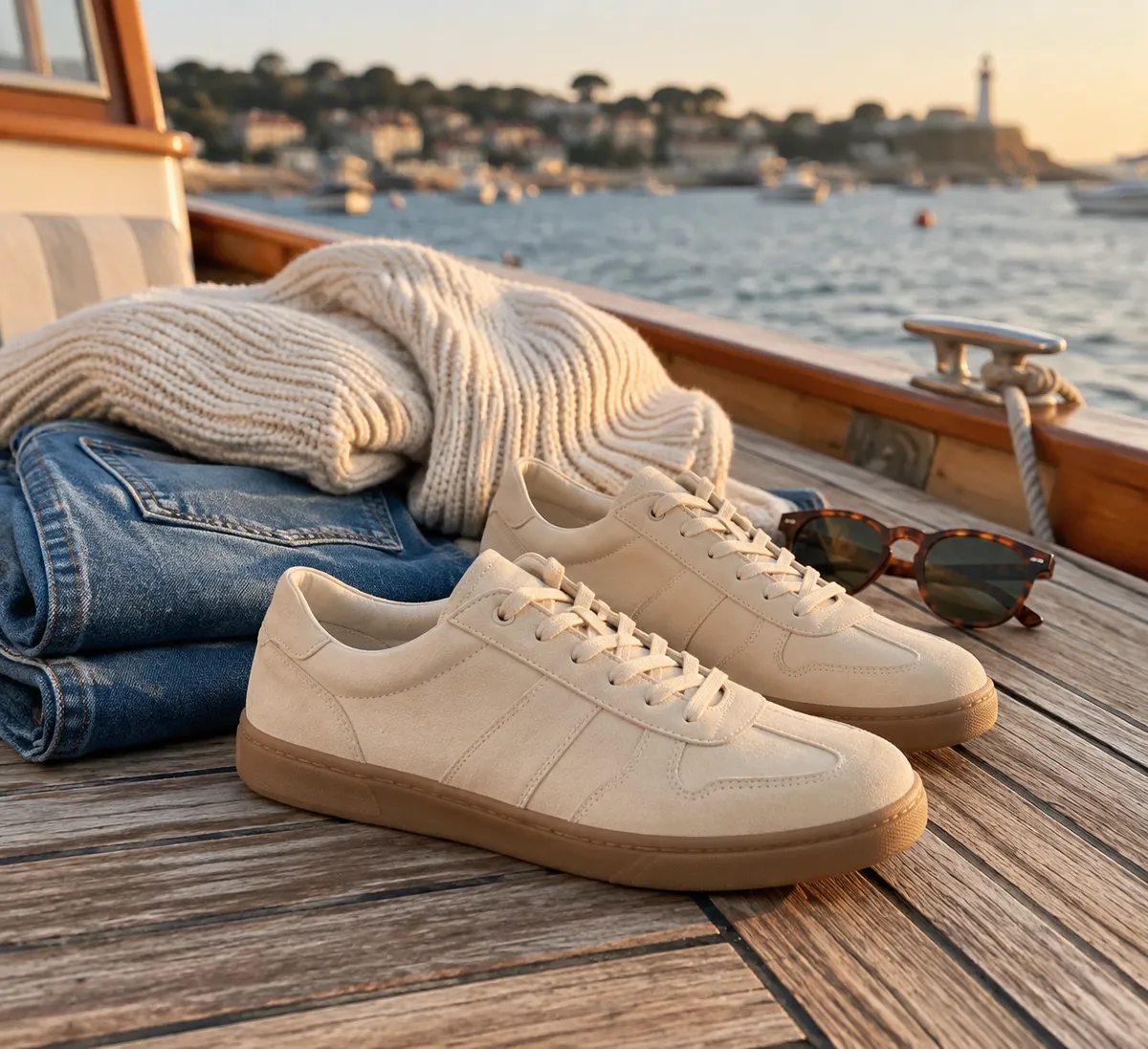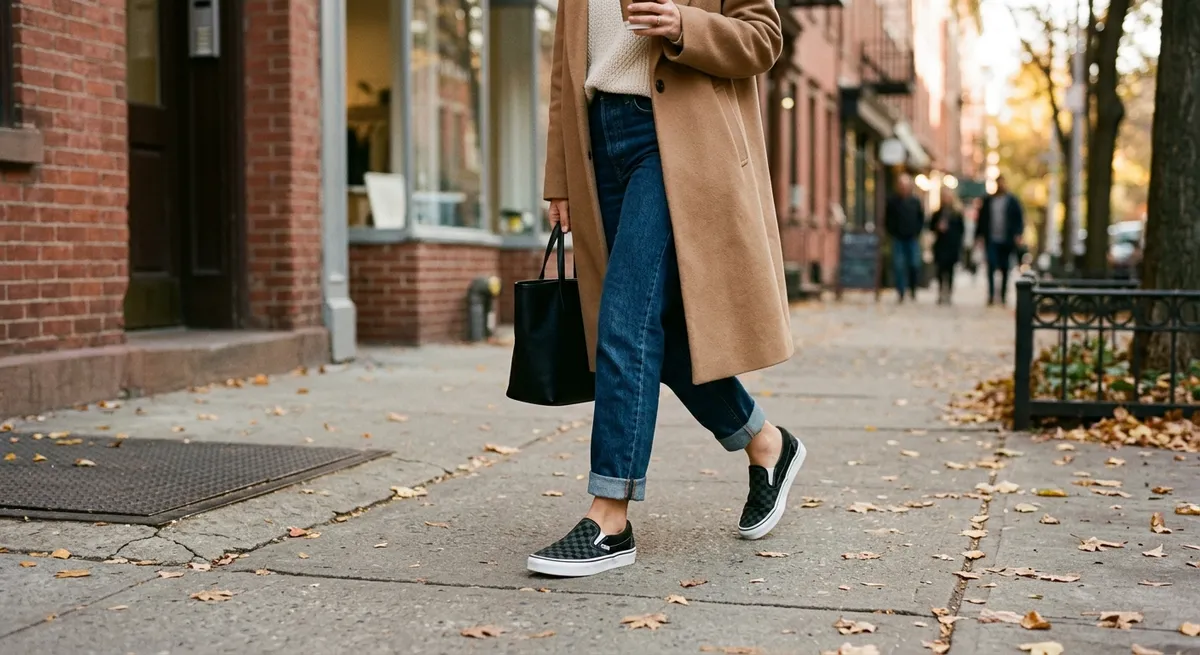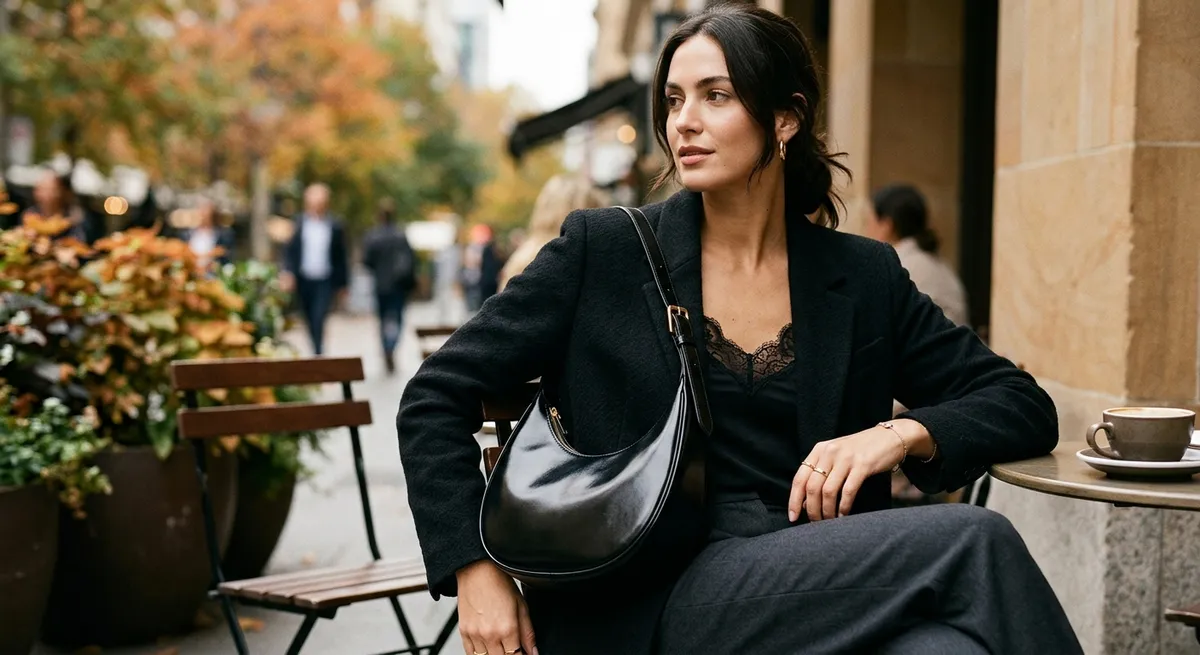
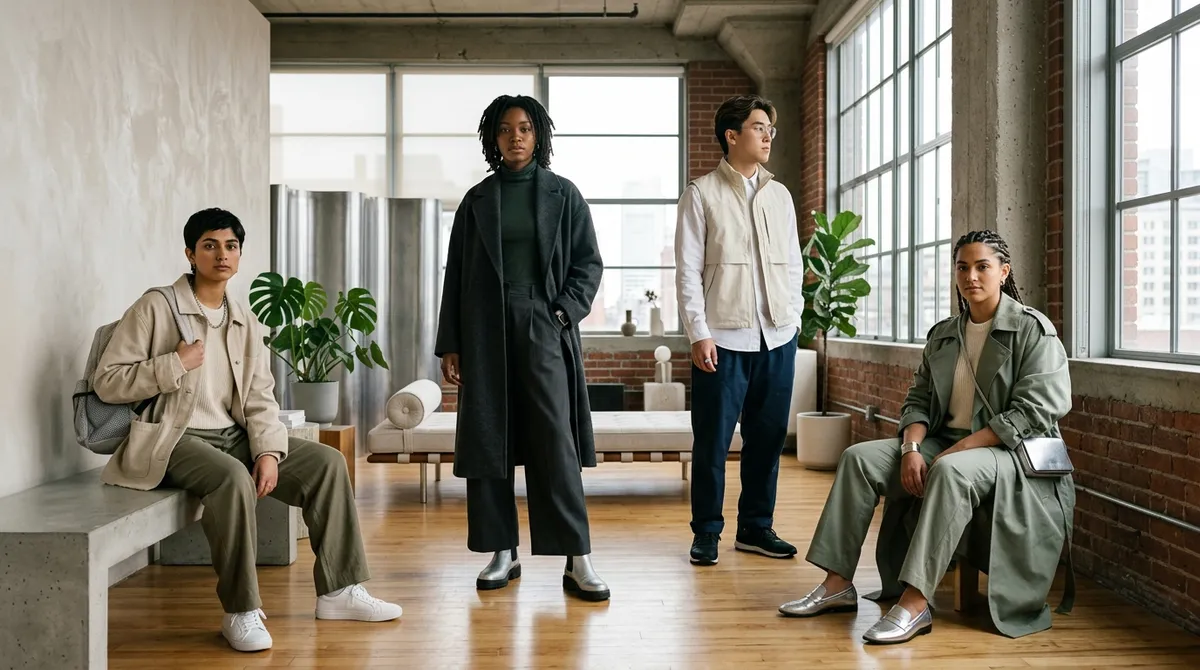
Millennial fashion trends are evolving rapidly, setting the stage for a stylish future. The upcoming trends are characterized by a blend of nostalgia and innovation, creating a unique sartorial landscape. As we approach 2026, the fashion industry is witnessing a shift where classic styles are being reimagined with a modern twist, catering to the preferences of millennials who value both aesthetics and sustainability.
The resurgence of vintage-inspired clothing is a prominent trend among millennials. This generation is increasingly drawn to the timeless appeal of past decades, incorporating retro elements into their wardrobes. From high-waisted jeans reminiscent of the '90s to bold patterns echoing the '70s, these styles are making a comeback with a contemporary flair. This trend reflects a desire for authenticity and individuality in fashion choices.
Another key aspect of millennial fashion is the emphasis on sustainable and ethical practices. Conscious consumerism is at the forefront as more individuals seek brands that prioritize eco-friendly materials and fair labor practices. This movement is not just about avoiding fast fashion but also about supporting initiatives that contribute to a healthier planet. As a result, brands are innovating with recycled fabrics and adopting transparent production processes.
Embracing Minimalism
Simplicity and functionality are gaining traction as millennials embrace minimalism in their wardrobes. The shift towards a "less is more" philosophy is evident in streamlined silhouettes and neutral color palettes. This trend is not only practical but also versatile, allowing for effortless mixing and matching. Minimalist fashion champions quality over quantity, with investment pieces that are both timeless and durable.
In addition to minimalism, millennials are also exploring gender-neutral clothing options. The boundaries of traditional gender-specific fashion are blurring, paving the way for inclusive styles that cater to all identities. Unisex fashion is characterized by comfortable fits and universal designs, appealing to a broad audience seeking freedom of expression through clothing.
Technological Integration
Technology is playing a pivotal role in shaping the future of fashion. Wearable tech and smart fabrics are becoming increasingly popular among millennials who appreciate innovation. From fitness trackers embedded in clothing to fabrics that adapt to temperature changes, these advancements offer both functionality and style. This intersection of fashion and technology is set to revolutionize the way we interact with our attire.
Moreover, digital platforms are transforming how fashion is consumed and marketed. Social media and e-commerce have democratized fashion, making it accessible to a global audience. Influencers and fashion bloggers play a significant role in dictating trends, with their recommendations often driving purchasing decisions. This digital shift emphasizes the importance of an online presence for brands aiming to connect with millennial consumers.
The Role of Personal Expression
Personal expression continues to be a defining element of millennial fashion. This generation values authenticity and individuality, using clothing as a medium to convey their unique identities. Customization options, from monogrammed accessories to personalized clothing, are gaining popularity as millennials seek to differentiate themselves in a crowded fashion landscape.
Additionally, the rise of streetwear reflects this desire for self-expression. Streetwear is characterized by its casual yet edgy aesthetic, often incorporating graphic prints and bold logos. This style resonates with millennials who appreciate its roots in urban culture and its ability to challenge traditional fashion norms.
As we look to the future, it's clear that millennial fashion trends will continue to evolve, driven by a blend of nostalgia, sustainability, and technological innovation. These trends not only reflect the values and preferences of this generation but also influence the broader fashion industry. By embracing these changes, brands can stay relevant and appeal to a discerning audience eager for new and exciting sartorial experiences.