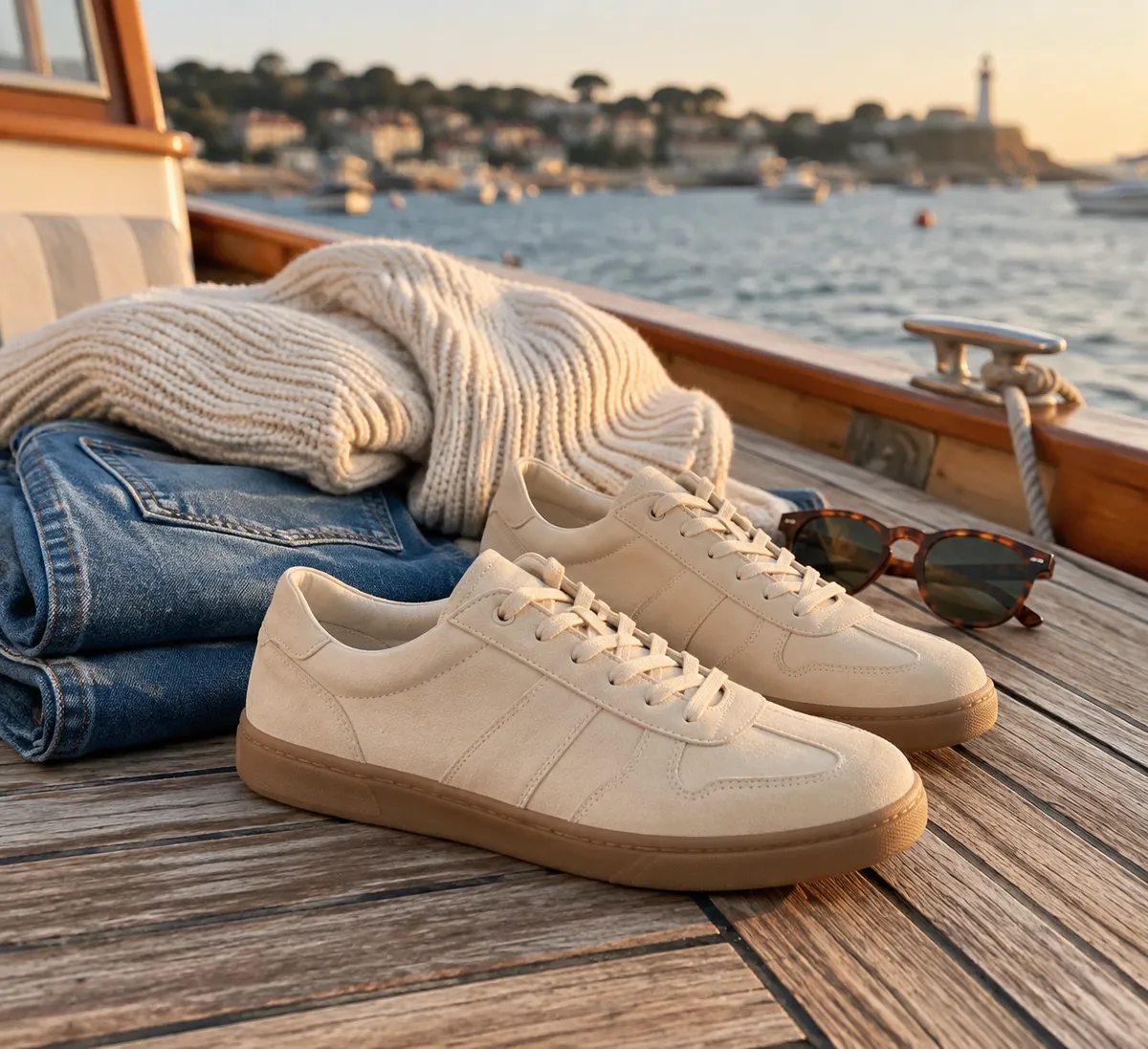
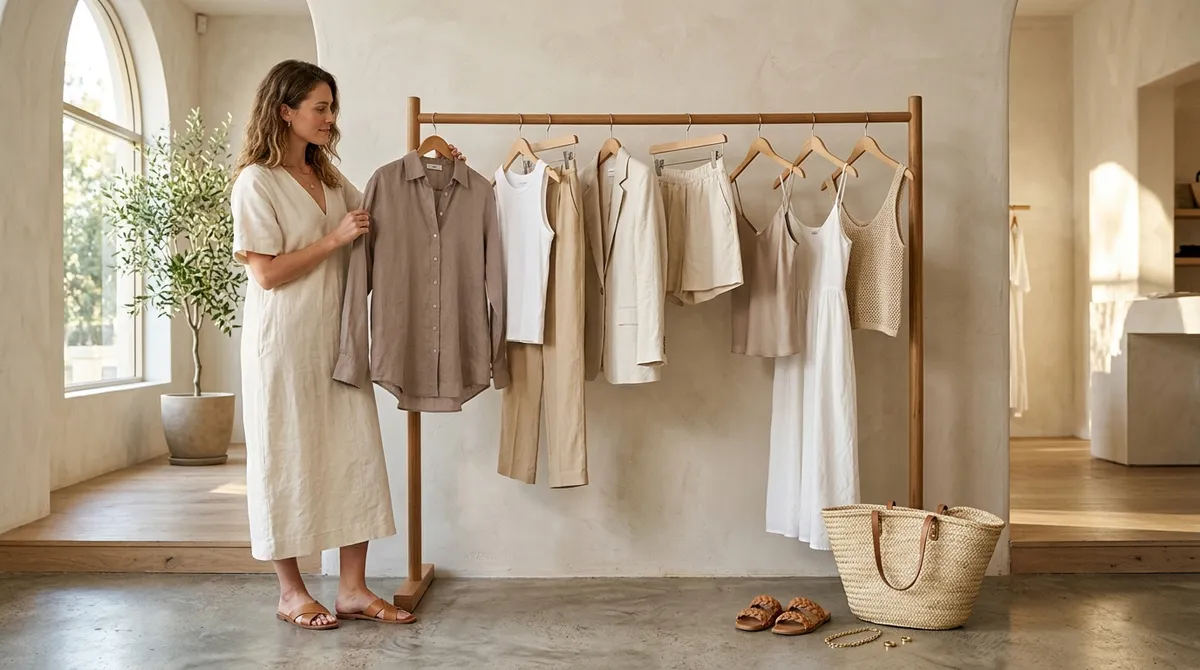
Minimalist fashion has become the most practical style move for summer, and its appeal is easy to understand. When temperatures rise, heavy styling feels unnecessary. Clean silhouettes, breathable fabrics, and thoughtful basics create outfits that look polished without demanding effort. This season, the best wardrobes are not crowded with trends. They are built around versatile pieces that work hard, feel comfortable, and bring quiet confidence to everyday dressing.
Why Minimalist Fashion Works So Well In Summer
Summer dressing asks for ease. Clothes must handle heat, movement, humidity, travel, and long days. Minimalist fashion answers these needs with simple shapes and reduced visual clutter. Instead of relying on heavy layering or loud details, it focuses on proportion, fabric, and fit.
This style also feels modern because it supports intentional buying. Many shoppers now prefer fewer pieces with better wearability. A white shirt, linen trousers, or a clean tank top can be styled repeatedly without looking tired. Minimalism makes each item earn its place in the wardrobe.
The result is not boring. A pared-back outfit can look elegant, sharp, and current. The key is choosing pieces with structure, texture, and excellent finishing. A crisp cotton dress or relaxed co-ord can say more than an outfit overloaded with accessories.
The Summer Minimalist Colour Palette
Colour plays a major role in minimalist summer fashion. Neutrals continue to dominate because they feel fresh and easy to combine. White, ivory, beige, stone, taupe, grey, navy, and black create a strong foundation for daily outfits.
Soft earthy tones also fit the mood of the season. Olive, sand, clay, mocha, and pale blue add depth without becoming distracting. These shades pair well with natural fabrics and sunlit settings, making them ideal for holidays, office wear, and weekend plans.
A minimalist wardrobe does not completely reject colour. It simply uses it with control. One muted statement shade can lift a simple look. A butter yellow shirt, sage dress, or terracotta bag can refresh basics while keeping the overall outfit refined.
Fabrics That Define Minimal Summer Style
Minimalism depends heavily on fabric quality. Since the design is simple, the material becomes more visible. Summer-friendly textiles such as linen, cotton, poplin, chambray, silk blends, and lightweight knits help outfits feel comfortable and expensive.
Linen remains a favourite because of its breathable texture and relaxed appearance. Cotton poplin brings crispness to shirts and dresses. Light knits work well for tanks, vests, and easy cardigans used during travel or cooler evenings.
The best choices allow air to move and do not cling too much. Avoid overly synthetic fabrics during peak heat, especially for daytime dressing. A simple outfit in the right textile will always look better than a complicated one in uncomfortable material.
Key Pieces For A Minimalist Summer Wardrobe
A strong capsule wardrobe begins with reliable basics. Start with a white button-down shirt, a ribbed tank top, tailored shorts, straight-leg trousers, a slip skirt, a cotton dress, and a relaxed blazer. These items can move between casual, work, and evening settings.
A linen co-ord is another smart addition. It offers the ease of a matched set but can also be separated. Wear the shirt with denim, and style the trousers with a fitted tank. This makes one outfit function like several.
Minimal dresses are especially useful in summer. Look for straight cuts, column shapes, shirt dresses, and easy A-line silhouettes. They require little styling but still appear considered. Add sandals and a structured bag, and the outfit is complete.
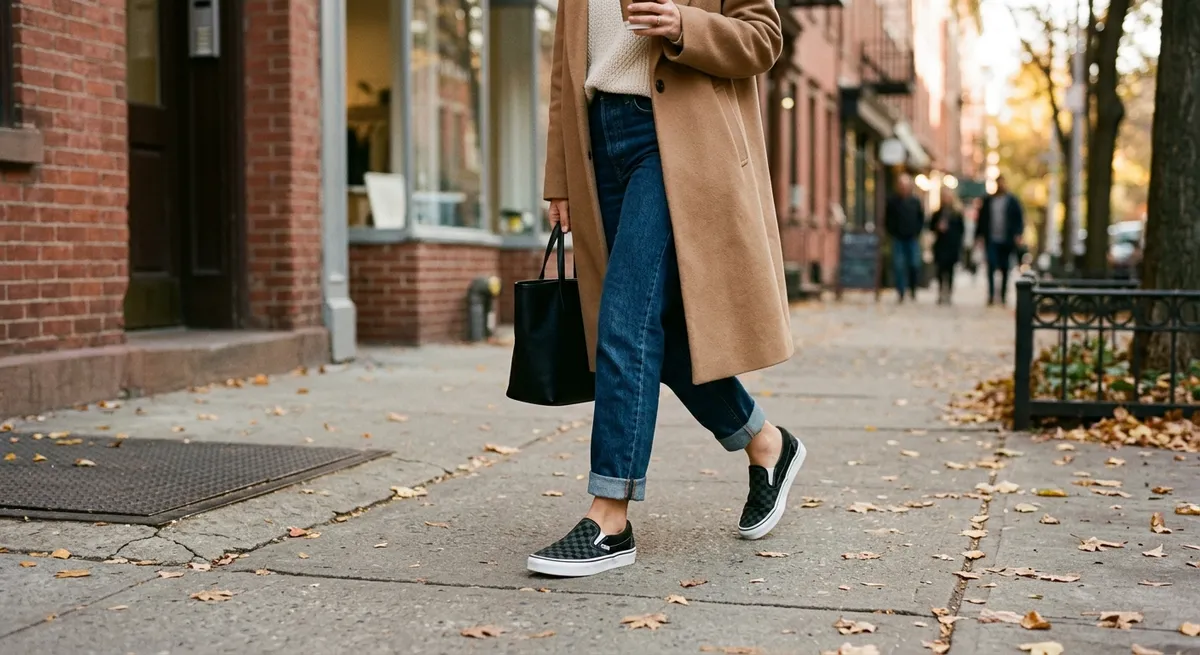
For denim, choose clean washes and simple cuts. Straight, relaxed, or wide-leg jeans work better than distressed styles in a minimalist wardrobe. White denim and light blue denim feel especially suitable for the season.
How To Style Minimalist Outfits Without Looking Plain
The secret is detail. Minimal fashion looks strongest when the details are deliberate. Pay attention to sleeve length, neckline, trouser break, and waist placement. These small elements shape the entire outfit.
Balance is also important. Pair a loose linen shirt with slim shorts. Match wide-leg trousers with a fitted top. Style a fluid skirt with a structured tank. This contrast keeps simple looks visually interesting.
Layering can still work in warm weather if it is light. An open shirt over a tank, a sleeveless waistcoat, or a thin scarf can add dimension. Keep each layer breathable and easy to remove.
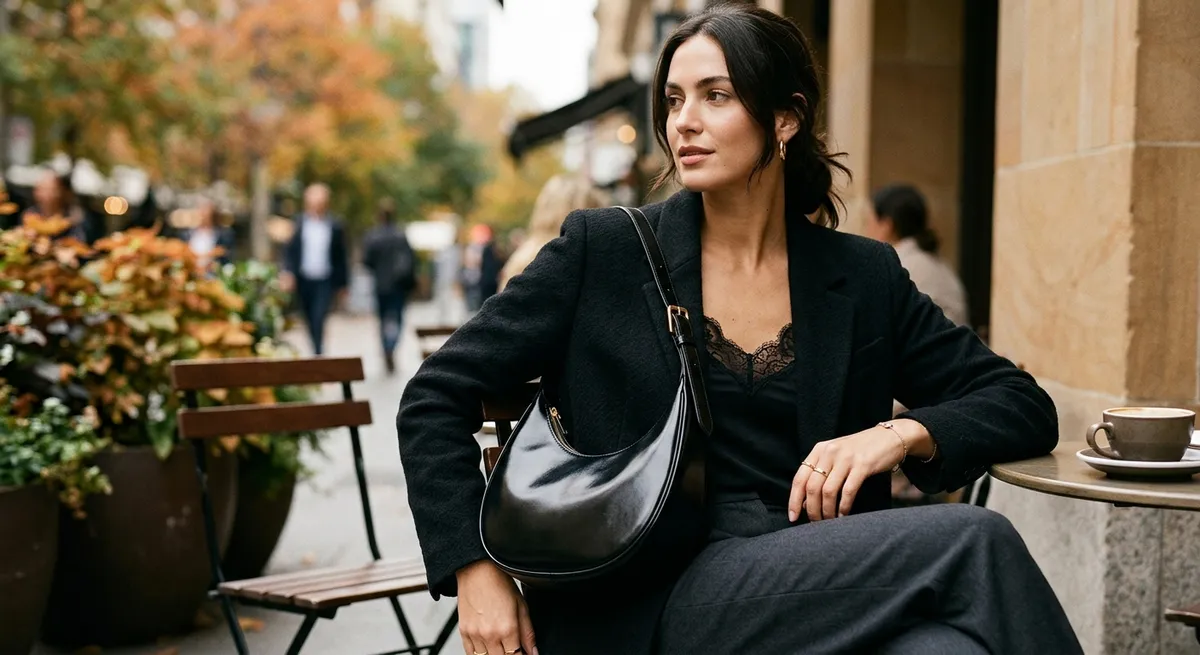
Accessories should support the outfit rather than compete with it. Choose sculptural jewellery, a leather belt, minimal sandals, a raffia tote, or slim sunglasses. One or two refined accents often create more impact than several bold pieces worn together.
Minimalist Fashion For Work, Travel, And Weekends
For office dressing, minimalist fashion brings polish without stiffness. Try a cotton shirt with pleated trousers, a sleeveless midi dress with loafers, or a linen blazer over a monochrome base. Stick to clean footwear and a structured bag for a professional finish.
For travel, the approach is even more useful. A limited colour palette makes packing easier. If most pieces match each other, you can build more outfits from fewer items. Linen trousers, tank tops, flat sandals, a shirt dress, and a lightweight overshirt can cover many plans.
Weekend looks can be softer and more relaxed. A white tank with drawstring trousers, a simple cotton maxi dress, or a loose shirt with tailored shorts feels effortless. Add a basket bag or minimal slides for a summer-ready finish.
The Rise Of Quiet Luxury And Everyday Simplicity
The popularity of quiet luxury has helped minimalist fashion gain even more attention. This aesthetic favours discreet elegance instead of visible branding. It highlights fabric, tailoring, and restraint. While luxury pieces can be part of the look, the idea is not limited to expensive labels.
Anyone can build the mood with thoughtful styling. Steam your clothes, choose clean cuts, and avoid unnecessary embellishment. A well-fitted white shirt from a high-street brand can look elevated when styled with care.
This shift also reflects a broader change in shopping habits. Many people want clothes that last beyond one trend cycle. Minimalism supports that desire because its core pieces remain relevant year after year.
Building A Capsule Wardrobe Without Losing Personality
A capsule wardrobe should not erase personal style. It should make personal style easier to express. Begin by identifying the pieces you wear most often. Then choose better versions of those items in colours and fabrics you truly enjoy.
If you love feminine dressing, focus on simple dresses, soft skirts, and delicate straps. If your style is sharper, invest in tailored trousers, crisp shirts, and structured vests. If comfort leads your choices, build around relaxed co-ords, cotton separates, and breathable knits.
Texture can bring personality into a minimal wardrobe. Ribbing, linen slubs, fine pleats, smooth leather, and woven accessories add depth. These details create interest while preserving a calm overall look.
Common Minimalist Fashion Mistakes To Avoid
One common mistake is buying basics without considering fit. Simple garments must fit well because there are fewer design features to hide flaws. Alterations can make affordable pieces look much more refined.
Another mistake is choosing only plain items with no shape. Minimalist fashion still needs structure. Mix soft and tailored pieces so the outfit does not appear flat. A fluid dress can pair beautifully with firm sandals or a structured tote.
Do not confuse minimal style with a lack of effort. Good styling still matters. Ironed fabrics, clean shoes, neat hems, and considered proportions make the difference between casual and polished.
Conclusion
Minimalist fashion is more than a passing summer trend. It is a practical, elegant way to dress for real life. By focusing on breathable fabrics, timeless silhouettes, soft colours, and careful styling, you can create a wardrobe that feels light yet complete. The beauty of this approach lies in its flexibility. With fewer pieces and smarter choices, summer dressing becomes simpler, cooler, and far more refined.