
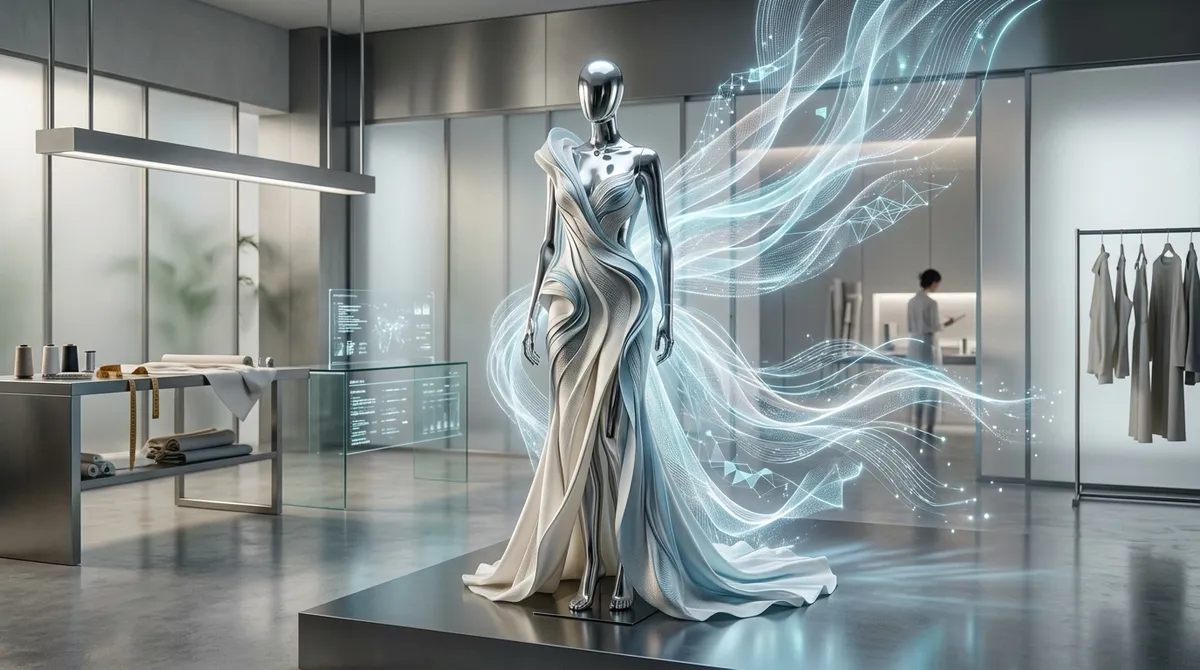
Generative AI is transforming the fashion industry by reshaping how designers approach their craft through innovative tools and methodologies. This technological advancement offers a fresh perspective, enabling creatives to explore uncharted territories in design, enhance efficiency, and foster inclusivity in fashion.
The Role of Generative AI in Fashion
Generative AI is a groundbreaking tool that leverages machine learning to generate new content, such as design patterns and styles, by learning from existing data. In fashion, it acts as a digital collaborator, assisting designers in experimenting with forms, colors, and textures that may not be conceived through traditional methods. This technology aids in creating unique designs while maintaining alignment with a brand's aesthetic identity.
Enhancing Creativity and Efficiency
One of the most significant impacts of generative AI in fashion is its ability to enhance creativity. By providing a vast array of design options, AI allows designers to explore possibilities beyond their initial ideas. This expanded creative horizon enables the development of innovative collections that stand out in a competitive market. Additionally, AI-driven design processes can significantly reduce the time required to produce new collections, streamlining operations and increasing productivity.
Personalization and Consumer Engagement
Generative AI also plays a crucial role in personalizing fashion products. By analyzing consumer preferences and trends, AI can help brands offer personalized recommendations and bespoke designs tailored to individual tastes. This level of customization not only enhances consumer satisfaction but also strengthens brand loyalty. Moreover, AI-driven insights can predict fashion trends, allowing brands to stay ahead of market demands and engage more effectively with their audience.
Challenges and Ethical Considerations
Despite its advantages, the integration of generative AI in fashion comes with challenges. Designers must navigate issues related to intellectual property, as AI can generate designs based on existing works. Ensuring originality and avoiding plagiarism is crucial. Moreover, the fashion industry must address ethical concerns regarding AI's impact on employment and the potential loss of traditional design skills. Balancing technological advancement with ethical responsibility is essential for sustainable integration.
The Future of Fashion with AI
As generative AI continues to evolve, its influence on fashion will likely expand. Future developments may include more sophisticated AI algorithms capable of understanding complex design principles and cultural contexts. This evolution could lead to even more groundbreaking innovations in fashion design, production, and marketing. Embracing these technological advancements will be key to staying competitive and relevant in the rapidly changing fashion landscape.
In conclusion, generative AI is poised to revolutionize the fashion industry by enhancing creativity, efficiency, and personalization. While challenges remain, the potential benefits far outweigh the drawbacks, offering a promising future for designers and consumers alike.