
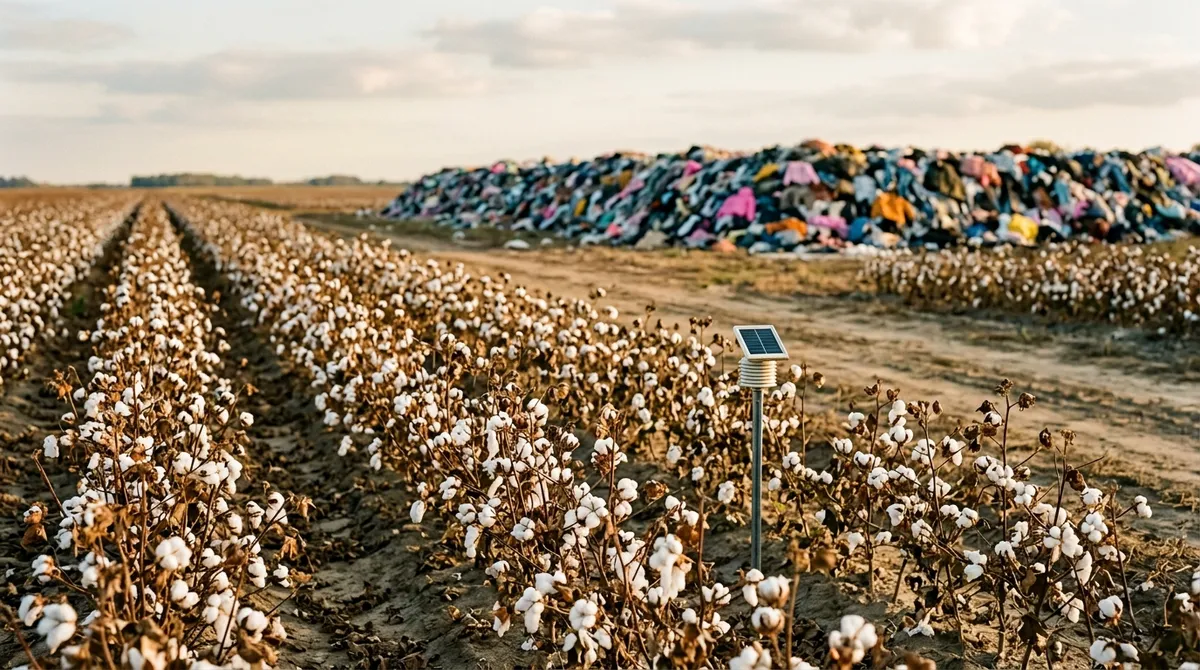
The global agriculture sector is experiencing a significant transformation driven by technological advancements and sustainable practices. As we move into a new era of farming, the emphasis on sustainability and innovation is reshaping how we produce food, manage resources, and adapt to climate challenges.
Technological Innovations Revolutionizing Farming
Technology plays a pivotal role in modern agriculture, offering solutions that enhance productivity and efficiency. From drones monitoring crop health to automated machinery reducing manual labor, the integration of technology is streamlining operations. Precision agriculture, for example, uses data analytics and GPS technology to optimize field-level management regarding crop farming. This approach not only boosts yields but also minimizes environmental impact by reducing the use of water, fertilizers, and pesticides.
The Rise of Smart Farming Techniques
Smart farming is becoming more prevalent as farmers adopt Internet of Things (IoT) devices and artificial intelligence (AI) to gain valuable insights. IoT sensors can capture real-time data on soil conditions, weather patterns, and crop growth. AI algorithms then analyze this data to provide actionable recommendations, allowing farmers to make informed decisions that enhance crop quality and yield. These technologies are crucial for addressing the challenges of a growing global population and the demand for increased food production.
Sustainable Practices for a Greener Future
Sustainability in agriculture involves practices that meet current food needs without compromising future generations' ability to meet theirs. This includes methods such as crop rotation, organic farming, and agroforestry. By diversifying crops and integrating trees or shrubs into farmland, these methods improve soil health and biodiversity. Additionally, sustainable practices aim to reduce greenhouse gas emissions and promote efficient resource use, which are essential for mitigating climate change impacts.
Water Management and Conservation
Effective water management is critical in sustainable farming. Techniques like drip irrigation and rainwater harvesting help conserve water by delivering it directly to plant roots, minimizing evaporation and waste. These methods ensure that crops receive adequate water while preserving this precious resource. In regions facing water scarcity, such conservation efforts are vital for maintaining agricultural productivity and ensuring food security.
Challenges and Opportunities in Modern Agriculture
Despite the promising advancements, the agriculture sector faces numerous challenges, including climate change, resource depletion, and market volatility. Farmers must continuously adapt to changing conditions and consumer demands. However, these challenges also present opportunities for innovation and growth. By embracing new technologies and sustainable practices, the sector can overcome obstacles and thrive in a rapidly changing world.
Supporting Farmers Through Education and Policy
Education and supportive policies are essential for equipping farmers with the knowledge and tools needed to implement modern techniques. Governments and organizations play a crucial role in providing training programs and financial incentives to encourage the adoption of innovative and sustainable practices. By investing in education and infrastructure, these entities help create a resilient agricultural system capable of meeting future demands.
Conclusion: A Path Forward for Agriculture
As the agriculture industry continues to evolve, the integration of technology and sustainability will be key to its success. By embracing innovation and sustainable practices, farmers can enhance productivity while preserving the environment for future generations. The journey toward a sustainable agricultural future is challenging but filled with potential, promising a better and more resilient food system for the world.