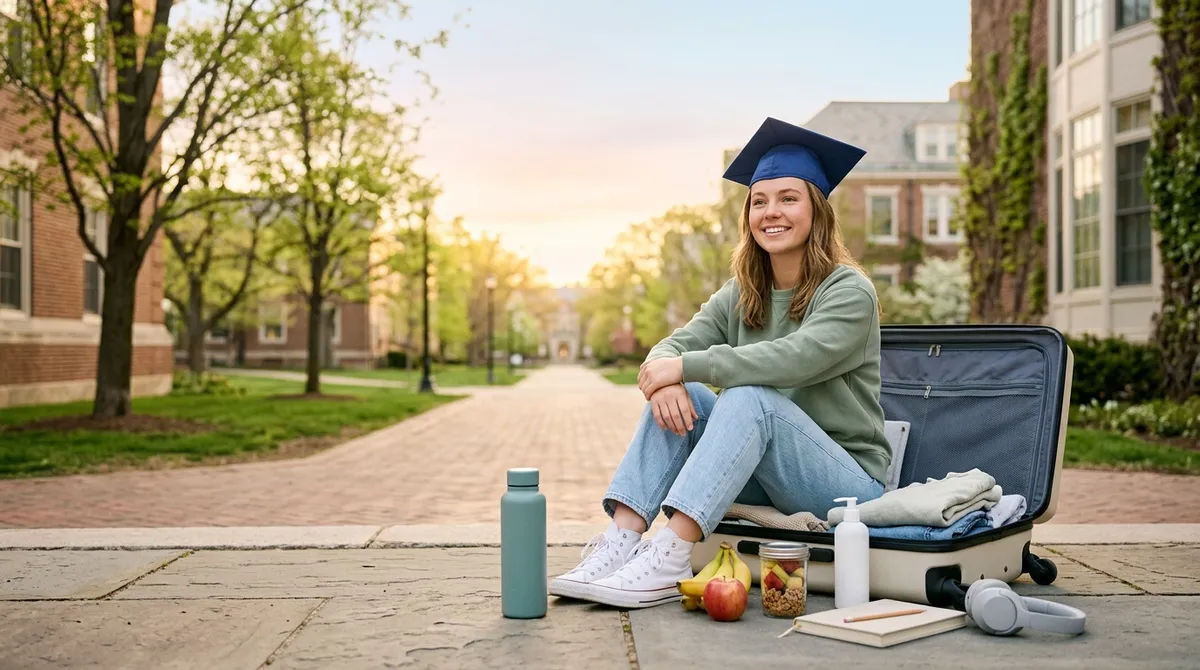

Building Wellness Habits Before College Starts
As graduation season approaches and college move-in planning begins, experts are emphasizing the importance of establishing wellness routines that extend far beyond traditional dorm room preparation. According to recent guidance, incoming college students can significantly benefit from developing practical wellness and skincare habits before they ever step foot on campus.
The transition from high school to college represents a major life change, and with rising concerns about student mental health struggles and social media comparison pressures, establishing foundational wellness practices has become increasingly relevant for new students and their families.
The Foundation of College Wellness
Experts suggest that meaningful support for mental health, confidence, and overall well-being can come from surprisingly simple daily practices. The key lies in developing conscious eating habits, emotional resilience techniques, and basic skincare routines that can be maintained even during the busiest college schedules.
Rather than focusing solely on dorm decor and school supplies, the wellness approach to college preparation emphasizes mental health, body care, and confidence-building as essential components of student success. This shift in perspective recognizes that physical and emotional well-being directly impact academic performance and social adjustment.
Essential Skincare for Campus Life
According to reports, a basic three-step skincare routine represents one of the most important wellness habits college students should establish. The routine should be simple enough to maintain consistently, even during stressful periods like finals week or when adjusting to dorm living conditions.
Sunscreen emerges as a particularly crucial component, especially for students who will be walking between classes, participating in outdoor activities, or spending time on campus quads and recreational areas. Establishing this habit before arriving at college ensures it becomes automatic rather than an afterthought.
Managing Stress and Comparison Culture
Experts emphasize the importance of developing strategies to avoid comparison and burnout during the college years. With social media amplifying comparison pressures among young adults, building emotional resilience before starting freshman year can provide crucial protection for mental health.
Simple 10-minute daily rituals are recommended for students who may feel anxious or overwhelmed during their college transition. These brief practices can provide stability and grounding during periods of significant change and adjustment.
Practical Nutrition and Hydration Strategies
The guidance includes practical advice about dorm-friendly snacks and hydration habits that can support better energy levels throughout demanding academic schedules. These nutritional strategies acknowledge the reality of college dining options while providing students with tools to maintain their physical well-being.
Conscious eating habits, when established before college begins, can help students navigate the often overwhelming array of dining hall choices and late-night study snacks that characterize campus life.
Building Habits That Actually Stick
The emphasis on developing wellness habits specifically designed for freshman year recognizes that college presents unique challenges to maintaining healthy routines. Dormitory living, irregular schedules, social pressures, and academic demands all require wellness strategies that can adapt to these new circumstances.
Experts suggest that the most effective approach involves establishing these practices during the summer before college, allowing students to develop consistency and confidence in their routines before facing the additional stresses of academic and social adjustment.
A Holistic Approach to College Readiness
This wellness-focused approach to college preparation represents a broader understanding of what students need to thrive in higher education. By addressing physical health, mental well-being, and self-care practices alongside traditional academic preparation, students can build a foundation for success that extends beyond their coursework.
The timing of this guidance, coinciding with graduation season and college preparation activities, provides families with an opportunity to incorporate wellness planning into their existing transition preparations. Rather than treating self-care as a luxury or afterthought, this approach positions wellness habits as essential tools for college success.
For students and parents navigating the college preparation process, incorporating these wellness elements into summer planning can provide valuable support for the significant transition ahead.